Bu yazıda
The Moment Sound Gets Dropped in a Handoff
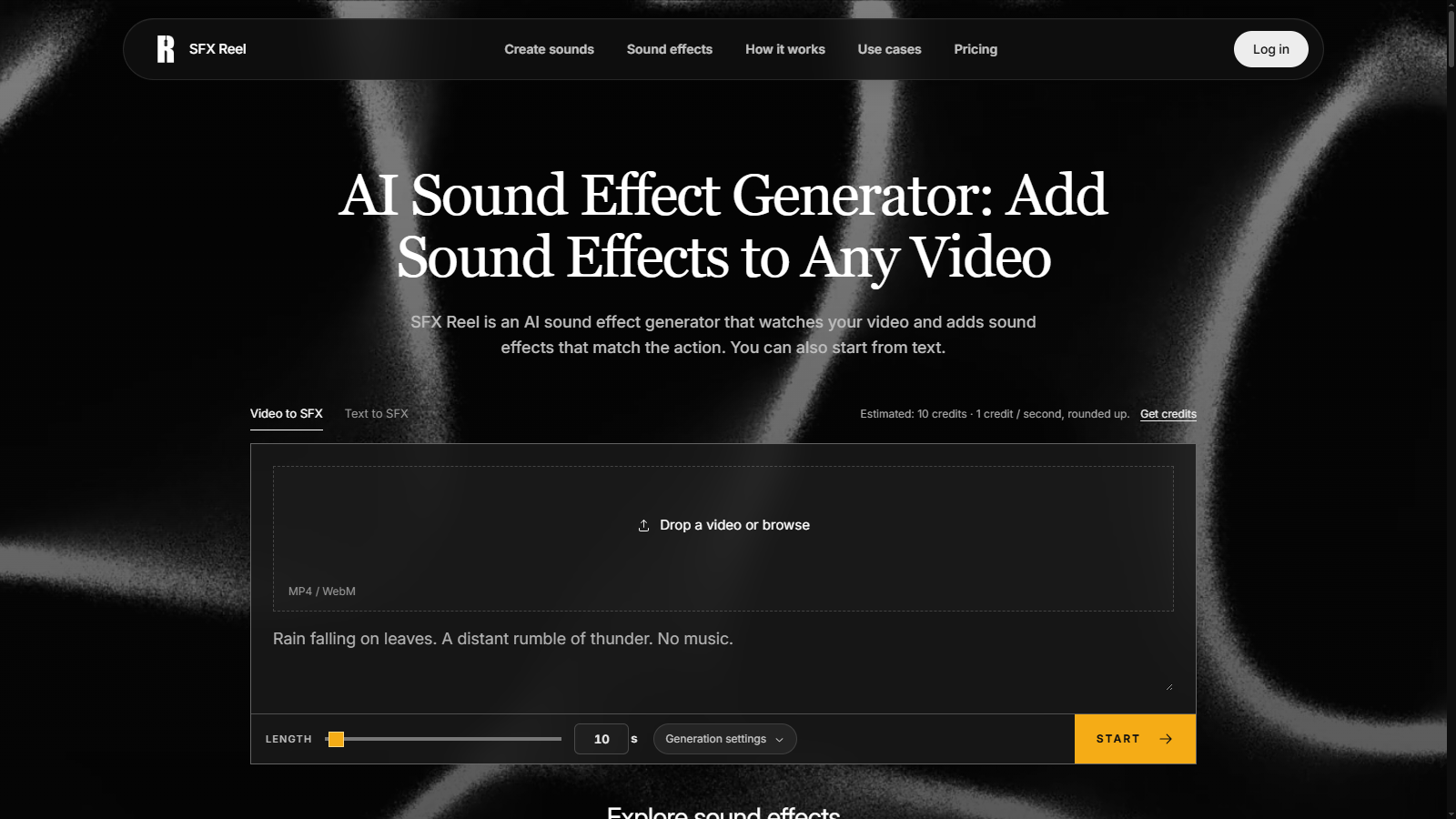
A rough cut gets passed from one person to another more often than teams like to admit. An editor finishes picture lock and dialogue, then hands the project to a teammate, a freelancer, or a client for the next pass. Dialogue survives that handoff because it's recorded and timestamped. Sound effects often don't, because they were never scripted anywhere except in the first editor's head. Tools built for exactly this gap, like SFX Reel, are meant to let the next person in line add effects without re-recording anything or guessing at timing from scratch.This isn't a niche problem. Any workflow with more than one person touching a video eventually runs into it: a marketer sends a demo to a teammate for final touches, a podcaster offloads editing to a collaborator, a small agency splits picture and sound work across two people on a deadline. The dialogue track is clear. The sound design intent is not. Whoever picks up the file has to reverse-engineer what's missing — a door closing, a notification chime, a footstep — and that reverse-engineering is where handoffs slow down or get skipped entirely.
A Workflow That Survives the Handoff
The fix isn't a better note-taking habit, because notes get skipped under deadline pressure. It's reducing the number of steps between "this scene needs a sound" and "the sound exists in the file." According to the product page, SFX Reel works from video directly or from text, and it keeps the original dialogue intact while generating effects around it. That matters for handoffs specifically: the person receiving the project doesn't need the original editor's session file, their effects library, or a verbal walkthrough of intent. They need the video and, if they want more control, a short text description of what the scene requires.In practice, a workable handoff looks like this: the first editor exports picture lock with dialogue as-is, writes one line per scene that needs sound ("door slam at 0:42," "soft ambient hum under the intro"), and passes both to whoever finishes the edit. That second person isn't starting from a blank timeline. They're filling in named gaps, which is a much smaller task than inventing sound design from an unmarked cut.
A Concrete Example: Passing a Demo Video Between Two People
Consider a small product team preparing a feature walkthrough. One person records screen capture and voiceover, gets the pacing right, and exports it. They are not a sound designer and don't want to become one under a launch deadline. The file goes to a teammate whose job is to make it feel finished — a notification sound when a button is clicked, a short transition cue between sections, maybe a subtle ambient layer so the silence between sentences doesn't feel dead.That second teammate works from the video itself, generating effects at the points where the action calls for them, rather than pulling clips from a stock library and manually aligning them to frames. If a generated sound doesn't match the moment — too harsh, too long, wrong texture — the fix is adjusting the prompt and generating again, not re-recording or re-searching a sound library from zero. This is where a text-to-SFX option matters too: for a cue that isn't tied to visible action, like a mood-setting ambient layer, a written description can generate the sound without needing a matching video moment.
Reviewing Before It Ships
No generated sound effect should go into a final cut unreviewed, and this is the step teams most often rush past under deadline. Before locking picture, play the new sound effect directly against the original video and dialogue, at real volume, not in isolation. Check that it doesn't step on a word, that its length matches the on-screen action, and that it doesn't clash tonally with the rest of the mix. According to the product page, the workflow supports previewing the result next to the original and regenerating from an adjusted prompt if something's off, then downloading the file once it's right. That preview step is the actual quality gate — not the generation itself.For a team, this also means the review step shouldn't be optional or informal. Whoever owns final export should listen through the full cut once more, specifically for sound, after the effects pass is done. A five-minute listen catches problems that are expensive to fix after a file has already shipped to a client or gone out on a channel.
Where This Fits Into a Team's Process
Handoffs will keep happening regardless of tooling — teams are built around division of labor, not solo production. The practical question is whether the handoff carries enough information for the next person to finish the work without a meeting. Keeping dialogue untouched, generating effects from the video or from short text notes, and reviewing the result against the original before export is a workflow that travels well between people, even when they've never worked on the same project before. If sound design is the part of your pipeline that keeps falling through the cracks between editors, it's worth testing whether this kind of workflow closes that gap for your team specifically, rather than assuming the next handoff will go better by habit alone.
Bu yazı işine yaradı mı?
Teşekkürler!