The Small Mistakes That Quietly Derail Virtual Swimwear Preview Projects
When a Simple Visual Brief Turns Into a Week of Rework
A design lead sends over three swimwear silhouettes and asks for quick visual directions before the next stakeholder call. Someone on the team reaches for an image tool like
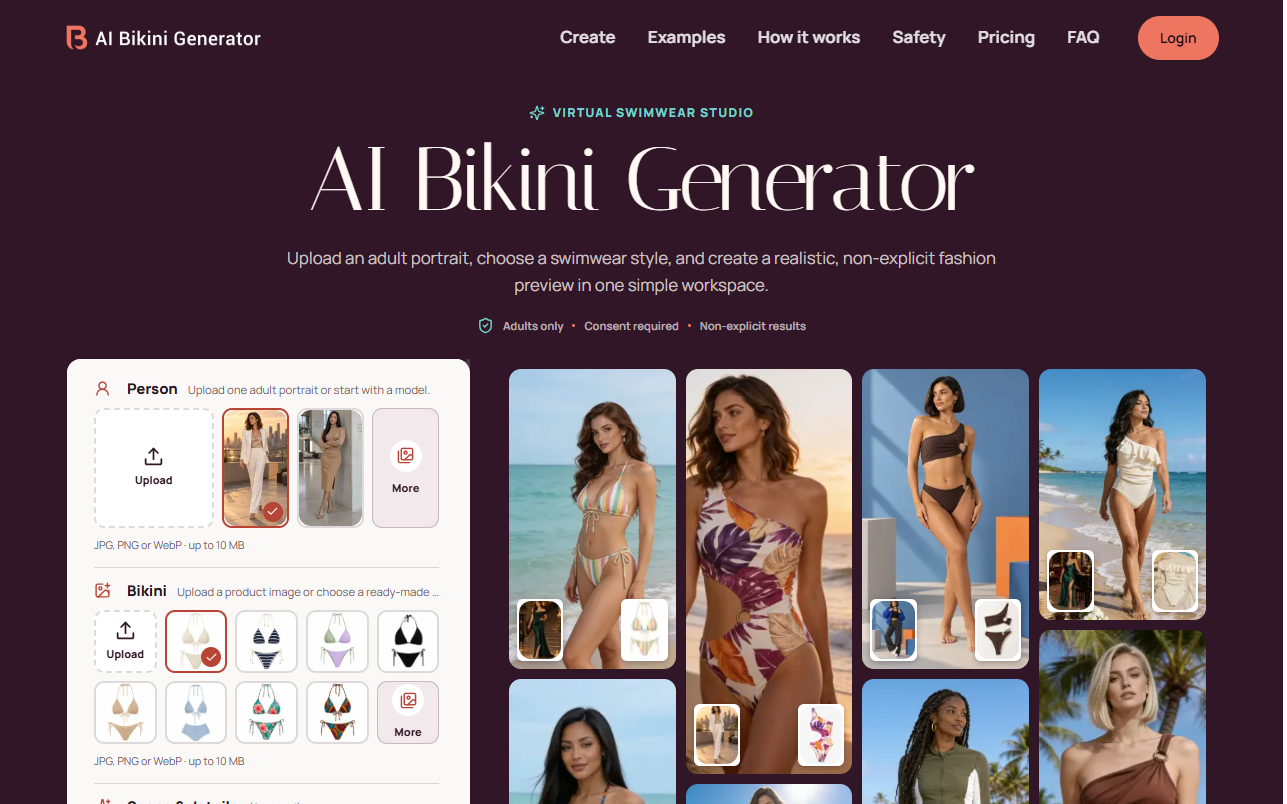
AI Bikini Generator to turn a portrait and a style note into a reviewable preview instead of waiting on a full photoshoot. That part usually goes fine.
What goes wrong is everything around it: who gave permission for the photo, what "done" actually means for this round, and whether anyone agreed on how the output will be judged.
Those gaps rarely show up until the review meeting, and by then the fix costs more than the original shortcut saved.
The Consent and Scope Mistake That Happens First
The most common failure isn't technical.
It's starting generation before confirming that the portrait belongs to a consenting adult who understands how the image will be used and where it might be shared. Teams that skip this step aren't being careless on purpose — they're moving fast and treating the portrait like any other stock asset. But a swimwear preview is a personal image transformation, and
the source photo needs a clear, documented yes before anything else happens.
The second mistake follows close behind: nobody agrees on scope. Is this an internal concept check, a client-facing option set, or something closer to final art? According to the product page, the tool is built to move from a visual brief to multiple reviewable image directions — which only works well if the team has already decided what "reviewable" means for this round.
Without that agreement, three people will judge the same output against three different bars.
A Workflow That Avoids Both Problems
A workflow that holds up looks something like this.
- First, confirm consent and usage terms for the portrait in writing, even if it's a quick internal note.
- Second, define the brief narrowly: one style category, one or two reference poses, and a stated purpose for the round.
- Third, generate a small batch rather than a single image — pose and posture, along with arm and leg positioning, change how a swimwear or bikini style reads on a body. Variation here is the difference between a batch that answers questions and one that raises new ones.
- Fourth, route every output through a named reviewer before it moves past internal use, not after it's already been shared with a client or posted somewhere public.
The mistake teams make at this stage is treating step three as the whole workflow. Generating an image is fast; deciding what the image is for, and who signs off on it, is the part that actually prevents rework. Skipping straight to generation because it's the easiest step is understandable, but it's also why previews end up circulated informally and then need to be redone once someone finally asks the scope question out loud.
A Concrete Example and Where Review Actually Belongs
Say a small swimwear brand wants three concept directions for a new cut before committing to a physical sample run. The team gathers a consenting model's portrait, agrees the round is for internal concept review only, and requests previews across a couple of style variations with consistent posture so the comparisons are fair. The generated set goes to one named reviewer — not the whole group over chat — who checks three things:
- Does the silhouette read clearly?
- Does the framing match what a real product photo would need?
- Is there anything in the image that looks inconsistent enough to confuse a stakeholder later?
Only after that check does anything move to the broader team.
A non-explicit virtual swimwear preview is meant to support a visual brief, not replace the judgment call about whether a concept is ready to leave the design room.
This review step is where a second common mistake shows up:
treating the first generated batch as final because it looks polished. Building in one deliberate review checkpoint — even a fifteen-minute one — catches the previews that look fine at a glance but don't actually match the brief.
Teams that avoid these mistakes tend to share three habits:
- They settle consent and scope before generating anything.
- They treat variation in pose and positioning as useful information rather than noise.
- They never let the first batch skip a named review.
Permission and scope first, generation second, review before anything ships — if your team is testing a similar workflow for swimwear or apparel concepts, it's worth trying that same order with
AI Bikini Generator or whatever tool fits the brief, and seeing whether it actually reduces the rework you were trying to avoid.
 LukaFabry