The Preview Mistake That Turns a Simple Change Into a Costly Redo
Why Skipping the Preview Step Is the Costliest Mistake
Most people don't regret changing their hair color, their profile branding, or a campaign visual — they regret
committing to the first version they saw. The moment a single image looks "close enough," it's tempting to move straight to production, whether that means booking a salon appointment or shipping a design. Tools such as
AI Hair Color Changer exist because that first attempt is rarely the version worth keeping, and
skipping the comparison stage is the single biggest mistake in this kind of visual decision-making.
This mistake isn't unique to hair color. Designers, marketers, and product teams run into the same trap when moving from a visual brief to a finished asset: they generate one direction, like it enough, and stop looking. The problem is that
"enough" is a low bar when the outcome is hard to reverse — a dye job takes weeks to grow out, a brand visual gets embedded across a dozen channels, and a content concept gets approved before anyone asks if there was a better option.
The Workflow Mistake: Committing Before Comparing
The underlying error is
treating exploration and decision-making as the same step. When someone uploads a photo, applies one shade, and immediately decides that's the answer, they've skipped the part of the process that actually reduces risk: side-by-side comparison. According to the product page,
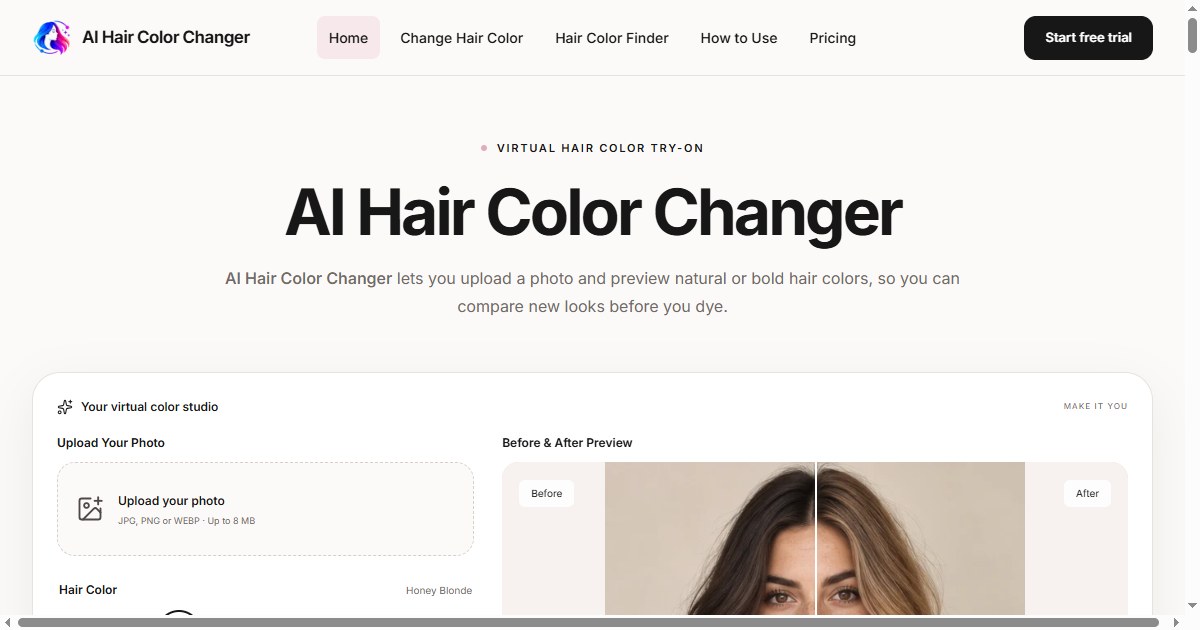
AI Hair Color Changer is built around letting people explore natural and bold shades before committing, which only has value if that exploration actually happens — generating one look and calling it done defeats the purpose.
This same mistake shows up in adjacent workflows. A marketer testing themed looks for a campaign, or a creator planning a costume concept, often generates a single AI image and treats it as final because it arrived quickly.
Speed creates a false sense of certainty. The fix isn't a different tool — it's a different habit: generate multiple directions before evaluating any of them, so the comparison happens on purpose instead of by accident.
A Practical Walkthrough: Testing a Shade Before Committing
Consider someone deciding between a warm brunette and a deeper auburn before an actual dye appointment. The workflow that avoids the common mistake looks like this:
- Upload a clear, well-lit photo as the starting reference.
- Generate more than one shade in the same session, not one shade across multiple separate visits.
- Compare the results next to each other rather than judging each image in isolation.
- Note which shade holds up under different lighting assumptions, since a color that looks flattering in one photo can read very differently elsewhere.
- Only after comparing does it make sense to treat one direction as the leading option.
The same sequence applies to profile ideas or content concepts: generate a few directions, place them side by side, and
resist the urge to lock in the first plausible result. The product page describes this kind of experimentation as one of the intended use cases, which lines up with how the mistake gets avoided in practice — through repetition and comparison, not through a single lucky generation.
The Review Step Nobody Wants to Do (and Why Skipping It Backfires)
The review step is where most people quietly cut corners, because it feels like extra work after the fun part of generating images is done. But
skipping it is exactly how someone ends up dyeing their hair a shade they only sort of liked, or shipping a content concept the team never really compared against alternatives. A short review step — pulling the top two or three generated directions and asking "does this still hold up an hour later, in a different light, next to the other option" — catches decisions made on first impression rather than on consideration.
For teams, this review step can be as simple as sharing the generated options in a channel and asking one other person to weigh in before anything gets finalized. For an individual testing a hair color idea, it might just mean
sitting with the comparison for a day instead of deciding in the same five minutes the images were generated. Either way, the review step is not optional overhead — it's the part of the process that actually prevents the costly mistake this article is about.
If there's one habit worth building from this, it's treating the first generated image as a starting point, not a verdict. Comparing shades or concepts before committing — the way AI Hair Color Changer is described as supporting on its product page — turns a guess into an informed choice, and that difference is usually what separates a good outcome from a regretted one.
 LukaFabry